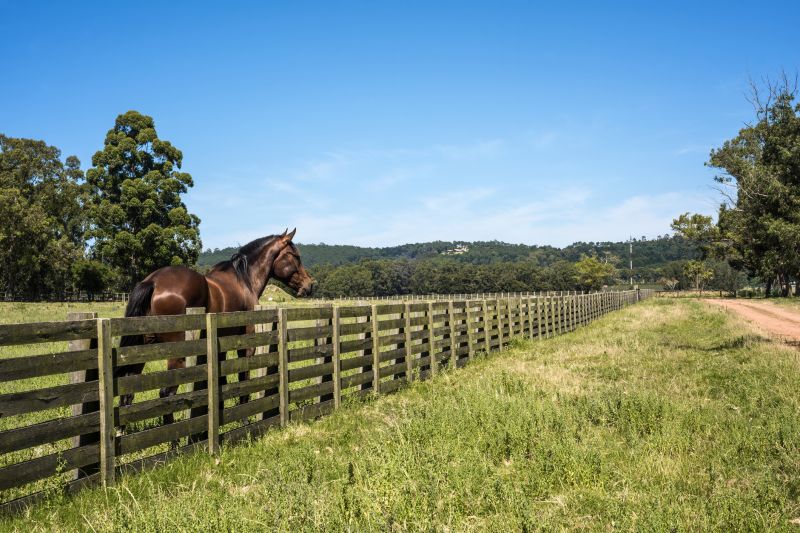
Equine Fence Installation in South Houston, TX
Equine fence installation services involve constructing durable and safe enclosures designed specifically for horses and other livestock. These projects typically include selecting appropriate fencing materials, such as wood, vinyl, or wire, to ensure the safety and containment of animals while complementing the property’s landscape. Property owners often seek these services to create secure pastures, riding arenas, or paddocks that provide a clear boundary and prevent animals from wandering off. Understanding the different fencing options and their suitability for specific uses helps homeowners make informed decisions about their fencing needs.
Before requesting equine fencing services, property owners usually want to consider factors like the size of the area to be enclosed, the type of animals, and the terrain of the property. It’s also helpful to think about maintenance requirements, aesthetic preferences, and any local regulations or property restrictions that might influence the fencing design. Clear communication about project goals and expectations can ensure the installation aligns with the intended use, providing a safe and functional environment for horses and livestock.
Many property owners in South Houston, TX look into Equine Fence Installation for repairs, replacements, upgrades, and appearance-related improvements.
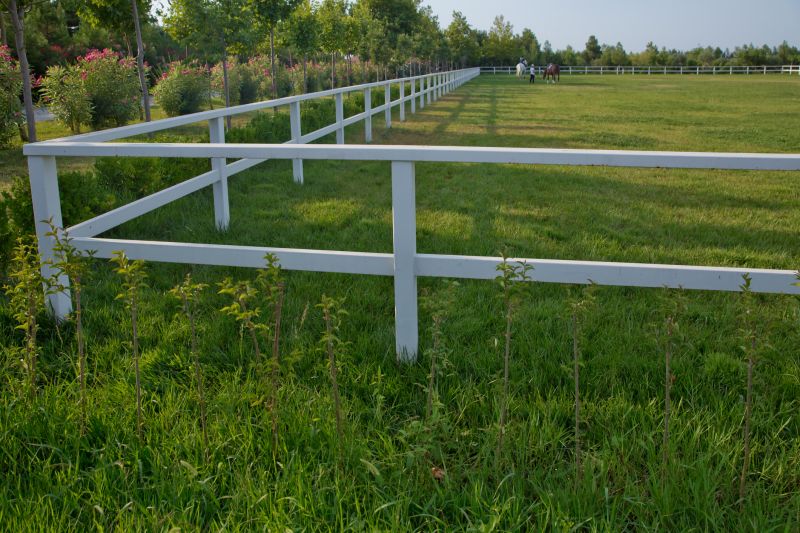
Types Of Equine Fences
Different fencing options suit various needs for safety and containment on equine properties.
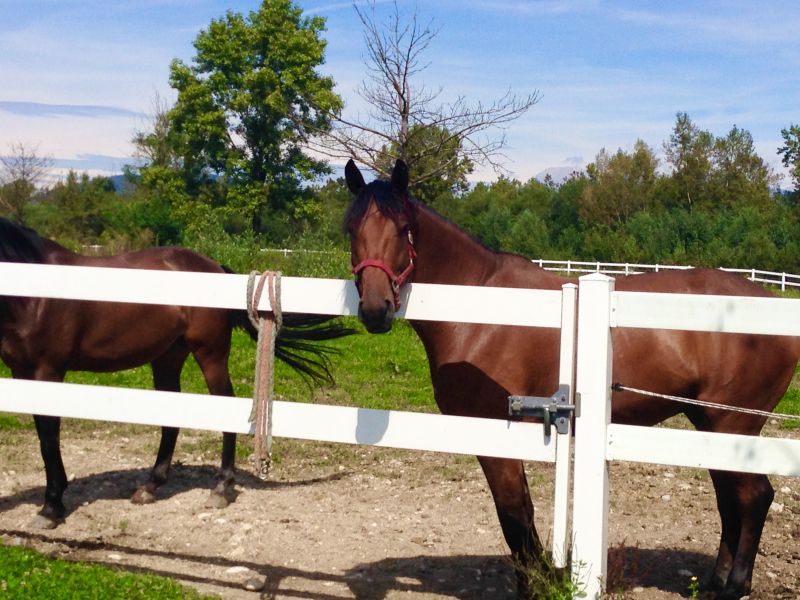
Benefits Of Professional Installation
Properly installed fences help ensure horse safety and reduce maintenance over time.
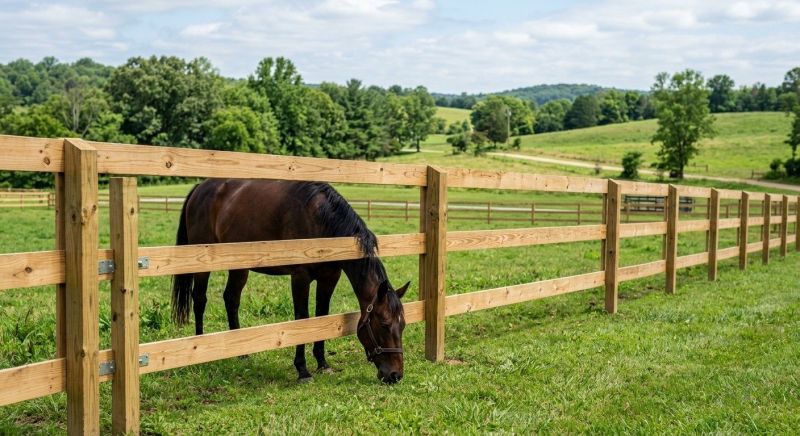
Design Considerations
Choosing the right fence style and materials can enhance the functionality and appearance of equine enclosures in south houston, tx.
Equine Fence Installation in South Houston, TX

Equine fence installation services involve constructing durable and safe enclosures designed specifically for horses and other livestock. These projects typically include selecting appropriate fencing materials, such as wood, vinyl, or wire, to ensure the safety and containment of animals while complementing the property’s landscape. Property owners often seek these services to create secure pastures, riding arenas, or paddocks that provide a clear boundary and prevent animals from wandering off. Understanding the different fencing options and their suitability for specific uses helps homeowners make informed decisions about their fencing needs.
Before requesting equine fencing services, property owners usually want to consider factors like the size of the area to be enclosed, the type of animals, and the terrain of the property. It’s also helpful to think about maintenance requirements, aesthetic preferences, and any local regulations or property restrictions that might influence the fencing design. Clear communication about project goals and expectations can ensure the installation aligns with the intended use, providing a safe and functional environment for horses and livestock.
Many property owners in South Houston, TX look into Equine Fence Installation for repairs, replacements, upgrades, and appearance-related improvements.
Common Equine Fence Installation Jobs
Equine Fence Installation - provides secure boundaries to keep horses safely contained.
Wood fencing - offers a traditional look with durability for horse enclosures.
Vinyl fencing - requires minimal maintenance and provides a clean, polished appearance.
Wire fencing - creates a cost-effective solution for large pasture boundaries.
Post and rail fencing - enhances property aesthetics while defining horse areas clearly.
Custom fencing options - tailored to meet specific property and horse safety needs.
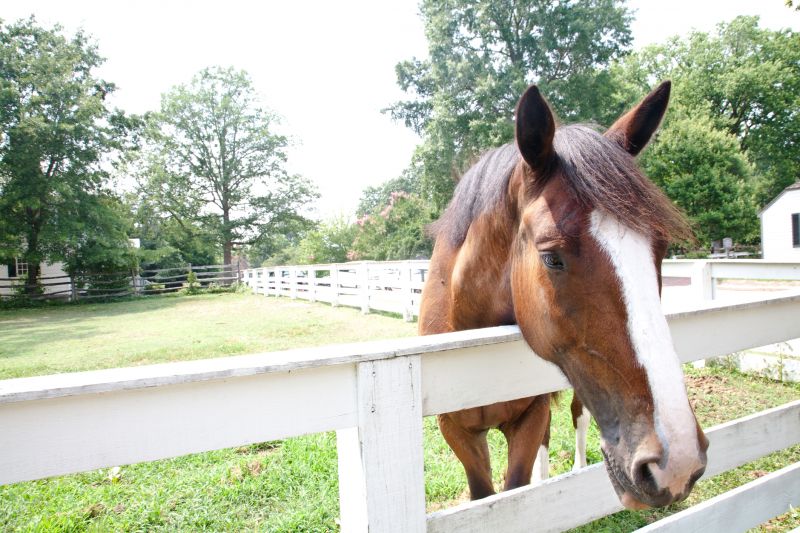
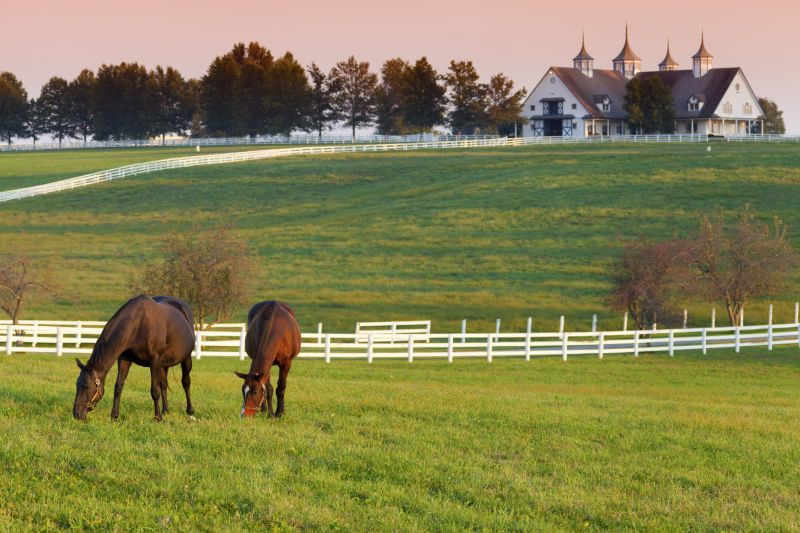
Equine Fence Installation Questions
What types of fencing are suitable for equine properties? Common options include wood, vinyl, and wire fencing, each offering different levels of durability and safety for horses.
How deep should fence posts be installed for horse fencing? Posts are typically set at least 2 to 3 feet deep to ensure stability and prevent horses from pushing through.
What height is recommended for horse fencing? Fences are usually 4.5 to 5 feet tall to prevent horses from jumping over.
Are there specific considerations for fencing around pastures? Proper spacing and smooth materials help prevent injuries and ensure horses stay safely within designated areas.
Request Equine Fence Installation in South Houston, TX
Use the quote form on this page to share the basics of your project and request more information for the type of work you need.